
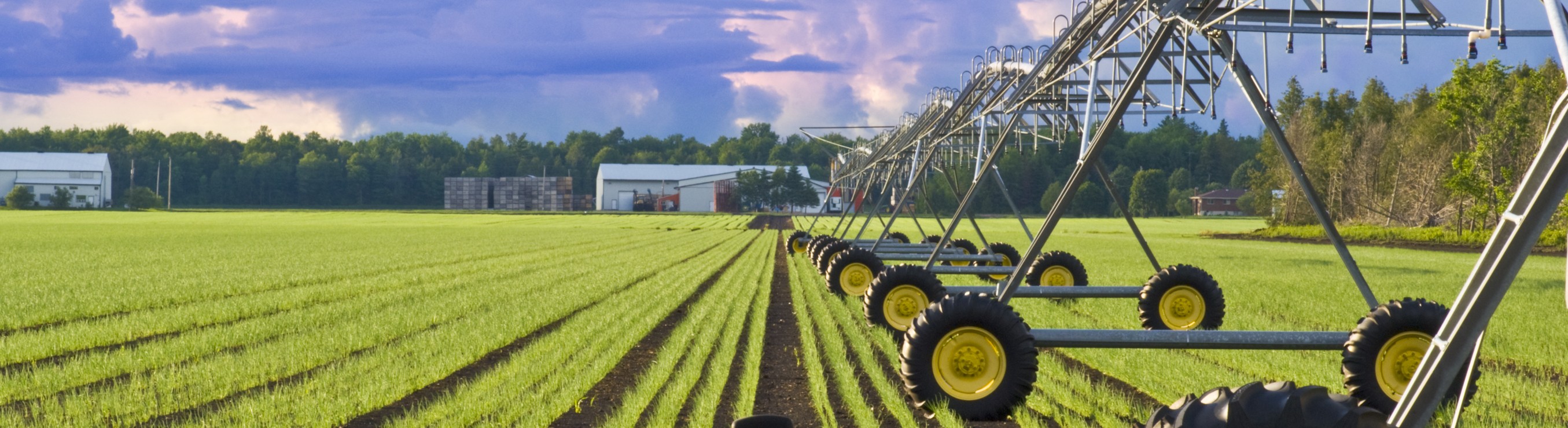
Farmland is a great investment. Just make sure you understand how to lease it out for a 1031 exchange.
Regardless of the lease structure, the lease must be in writing and specify the length, termination dates, and reasons for early termination to prevent misunderstandings or disputes. Short-term leases allow rental rates to adjust in an unstable market, but they can create instability. Long-term leases reduce the need for annual renegotiations, promote better conservation practices, and provide greater security for tenants. The lease term should align with the agricultural cycle to prevent disruptions to crop production. The lease should clearly define termination notice periods to avoid relying on state default laws. Any notice of termination should be delivered to the tenant well in advance of the termination date. The lease should also include clear terms for early termination, such as the sale of the farmland, the death of a party, or the tenant’s cessation of farming.
Tenant Relationship
Building a strong, positive relationship with your tenant is essential to optimizing farmland productivity and supporting your investment. A healthy dynamic encourages long-term land stewardship, ensuring both parties manage resources to sustain land value and maintain land health. Regular, honest communication can help prevent disagreements and legal complications. By fostering collaboration, you can maximize investment returns and cultivate tenants’ willingness to adopt innovations and best practices that improve your farmland’s productivity and overall health.
Property Health
Protect your property’s long-term health by including lease terms that require specific conservation practices, regular soil testing, and defined maintenance responsibilities. Detail the requirements for infrastructure maintenance and sustainable farming practices to reduce erosion and preserve soil quality. Specify who is responsible for maintaining land, infrastructure, and waterways. Make regular property inspections a condition of the lease. Assign clear consequences for non-compliance to deter neglect. Address issues promptly by communicating openly with your tenant to help maintain the value of your investment.
Mineral and Water Rights
It is essential that, as an investor, you know who owns the mineral and water rights to the farmland you acquired through the exchange, given that these rights don’t always accompany the purchase of the land. Mineral and water rights can qualify as like-kind property in a 1031 exchange if they are perpetual. If you acquired mineral rights to your investment property through the exchange, you can lease these rights to a third-party extraction company, which will provide you with additional income beyond that from leasing the surface of the farmland to a tenant farmer. However, mineral extraction may disrupt the farmland’s surface. It can interfere with tenant farming activities, crop yields, and the layout of the land. It could also damage the environment through spills, pollution, or other harm to the farmland. Specific agreements should be in the lease with the extraction company to protect the farmland’s surface from undue harm. If you acquired water rights with the farmland purchase, they must be detailed in the lease agreement with the tenant farmer to prevent conflicts or overuse. The lease should specify the type of water right—groundwater or surface water—and outline water allocation, cost-sharing arrangements, and who will maintain infrastructure, such as wells and irrigation systems.
Personal Property
Since the Tax Cuts and Jobs Act of 2017, only real property qualifies for a 1031 exchange. Personal property needed to farm the land—such as livestock, crops, machinery, and equipment—cannot be included in the tax-deferred exchange. Typically, the tenant and investor divide responsibility for personal property depending on the lease structure. Machinery and equipment used to farm the land are usually owned, operated, and maintained by the tenant under both lease types. The tenant is also responsible for the care, feeding, and ownership of livestock. If you and your tenant decide on a specific crop-and-livestock share-lease structure, you and the tenant split responsibility for the livestock. In a cash-rent lease, the tenant owns the crops, manages production, and assumes all risk associated with crop yields. In a crop-share lease, the investor and landowner share ownership of the crops, usually on a percentage basis. In this structure, although the investor and tenant share ownership of the crops, the tenant manages it day-to-day.
If, as an investor, you are considering leasing your farmland after an exchange, you must evaluate the lease structure and term, the property’s health, water rights, mineral rights, personal property, and proactively build a strong relationship with your tenant. Leases must always be in writing and clearly specify terms to prevent miscommunication and legal disputes. While these considerations are all important when deciding to lease farmland after an exchange, consulting legal counsel is necessary. Legal counsel helps properly structure the lease, define responsibilities, and ensure ongoing 1031 tax deferral and full IRS compliance.
The information presented is for information purposes and is not intended as investment, legal, tax or compliance advice. Land 1031 does not offer or sell investments or provide investment, legal, or tax advice.

About the Author
Savannah McGuire is a 1031 Exchange Specialist and works with agents, CPAs, attorneys and landowners to help all parties navigate 1031 exchanges and defer capital gains taxes. In her free time, Savannah is an avid reader and enjoys spending time with friends and family.